KRES 2.0
Žareč duh digitalne kolektivnosti
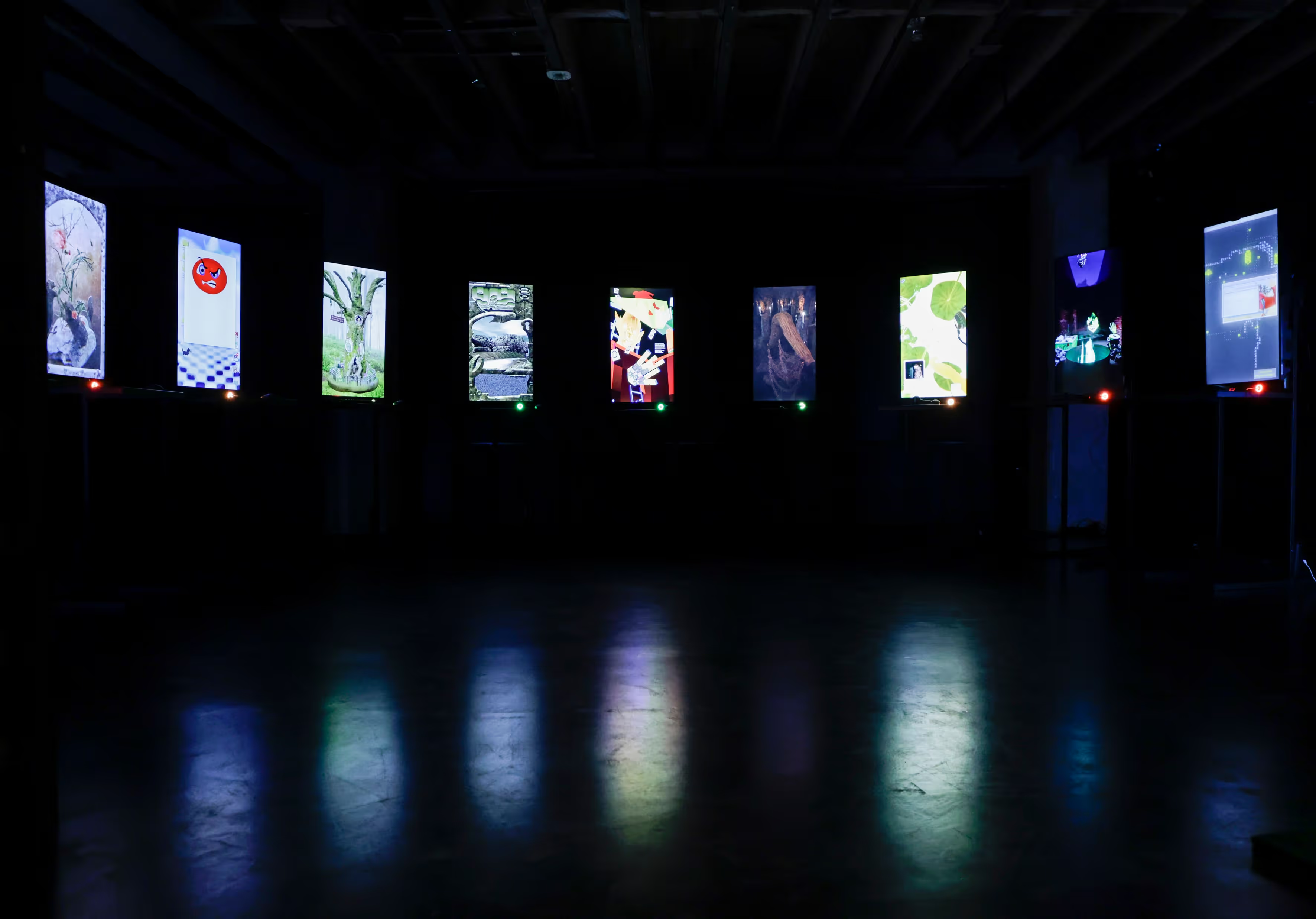
Ali je optimizem prihodnosti pogorel, medtem ko nas vsako sekundo obdajajo tesnobni prebliski kapitalizma? V duhu tradicije prižiganja kresov na predvečer praznika dela umetnice_ki na razstavi obujajo simboliko minulih tradicij in priklicujejo davno mrtve duhove solidarnosti, kolektivizma in delavskih pravic.
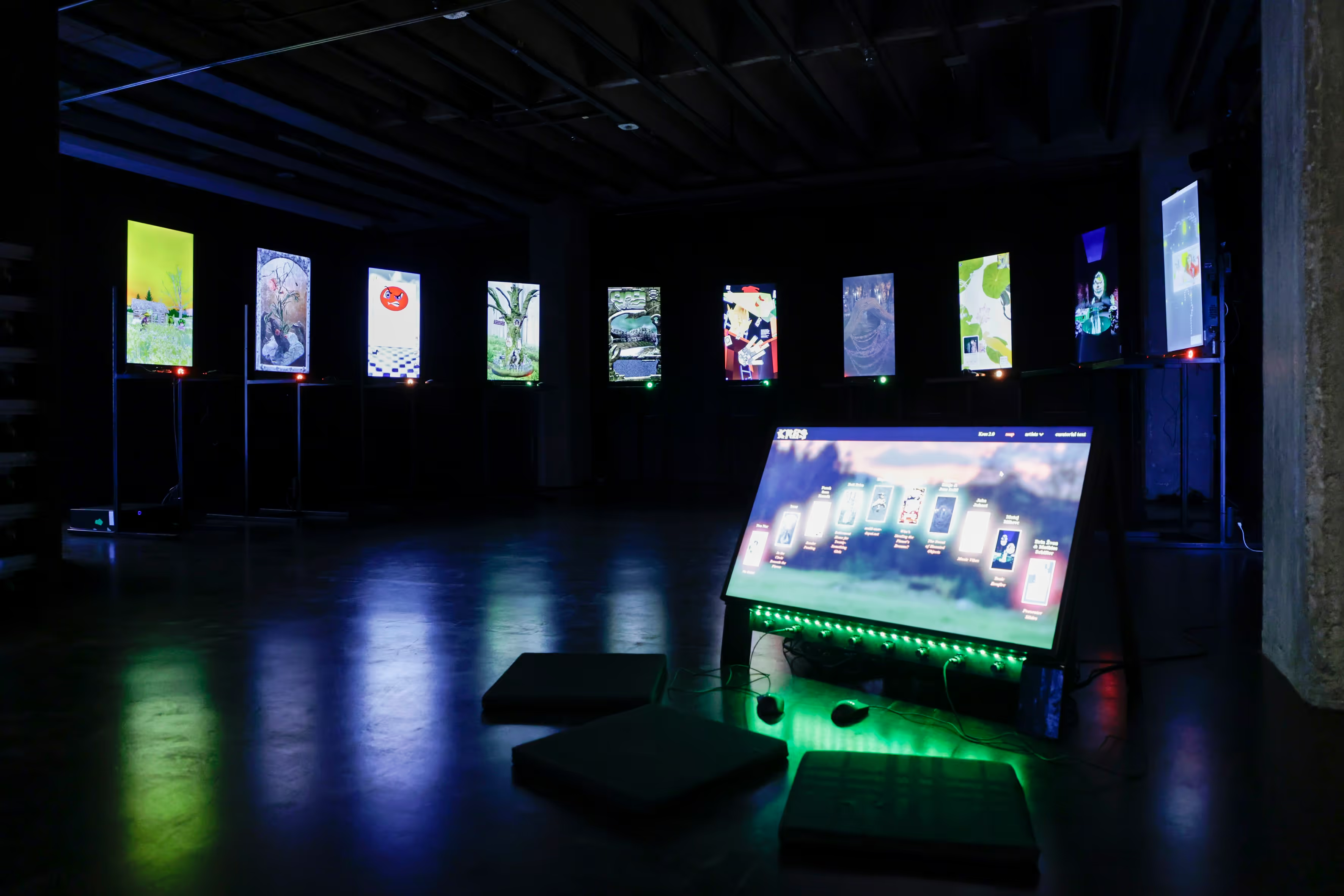
Umetnice_ki sestavljajo združeno fronto, ki prevprašuje svoj položaj v času hustle in grindset mentalitet, individualizma, digitalne alienacije in ekonomske negotovosti v luči trenutnega tehnološkega razvoja. Njihove umetniške prakse so neločljivo povezane z internetom in digitalnimi mediji, preko katerih so oblikovali svojevrsten odnos do virtualnih svetov, spekulativnih metod in skupnostnega povezovanja. Skozi eksperimentalne video igre, imerzivna 3D okolja in interaktivne spletne strani gradijo fiktivne svetove in narative, ustvarjajo vizije kolektivnih prihodnosti in si zamišljajo alternativne sisteme sobivanja.
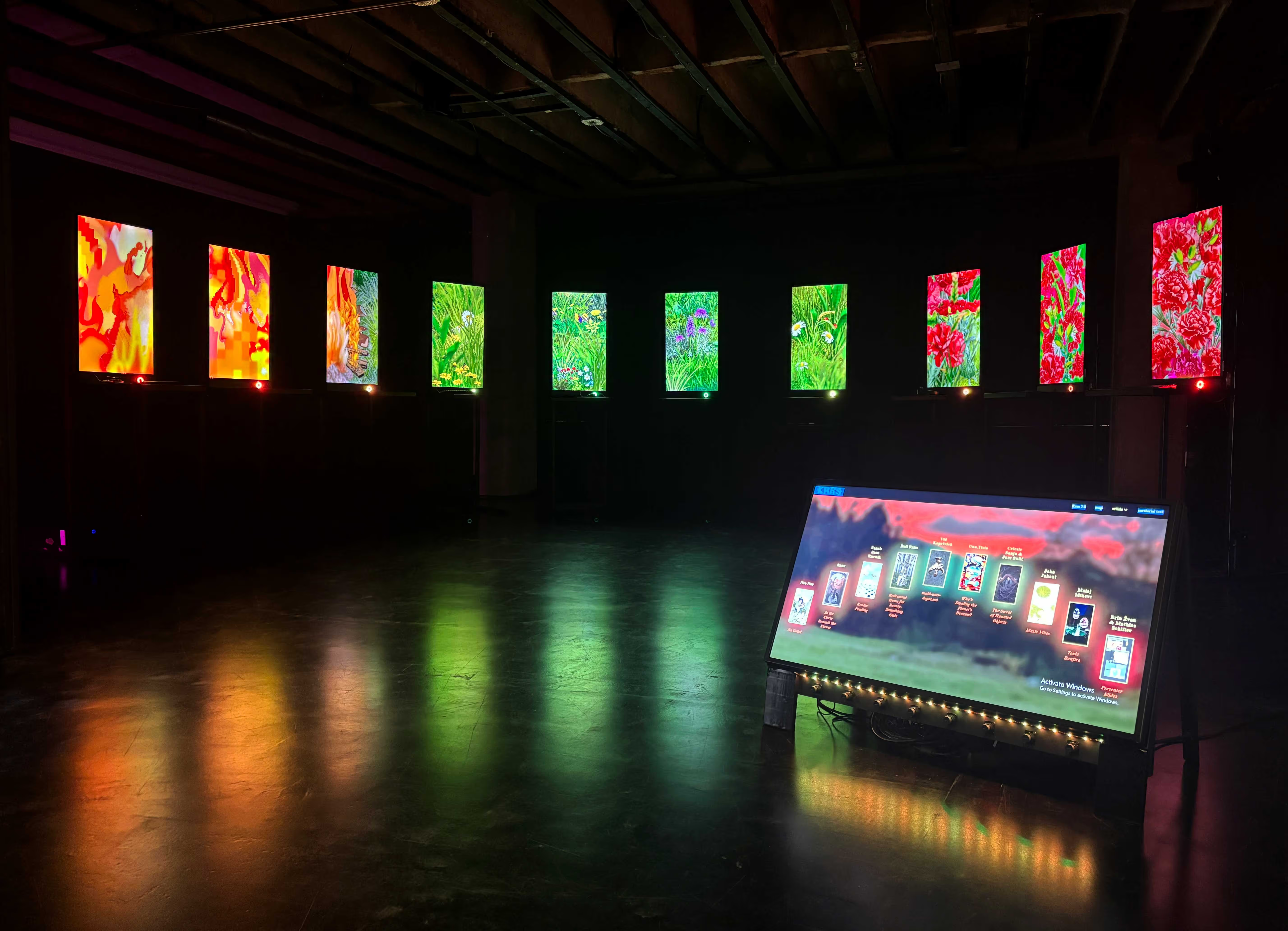
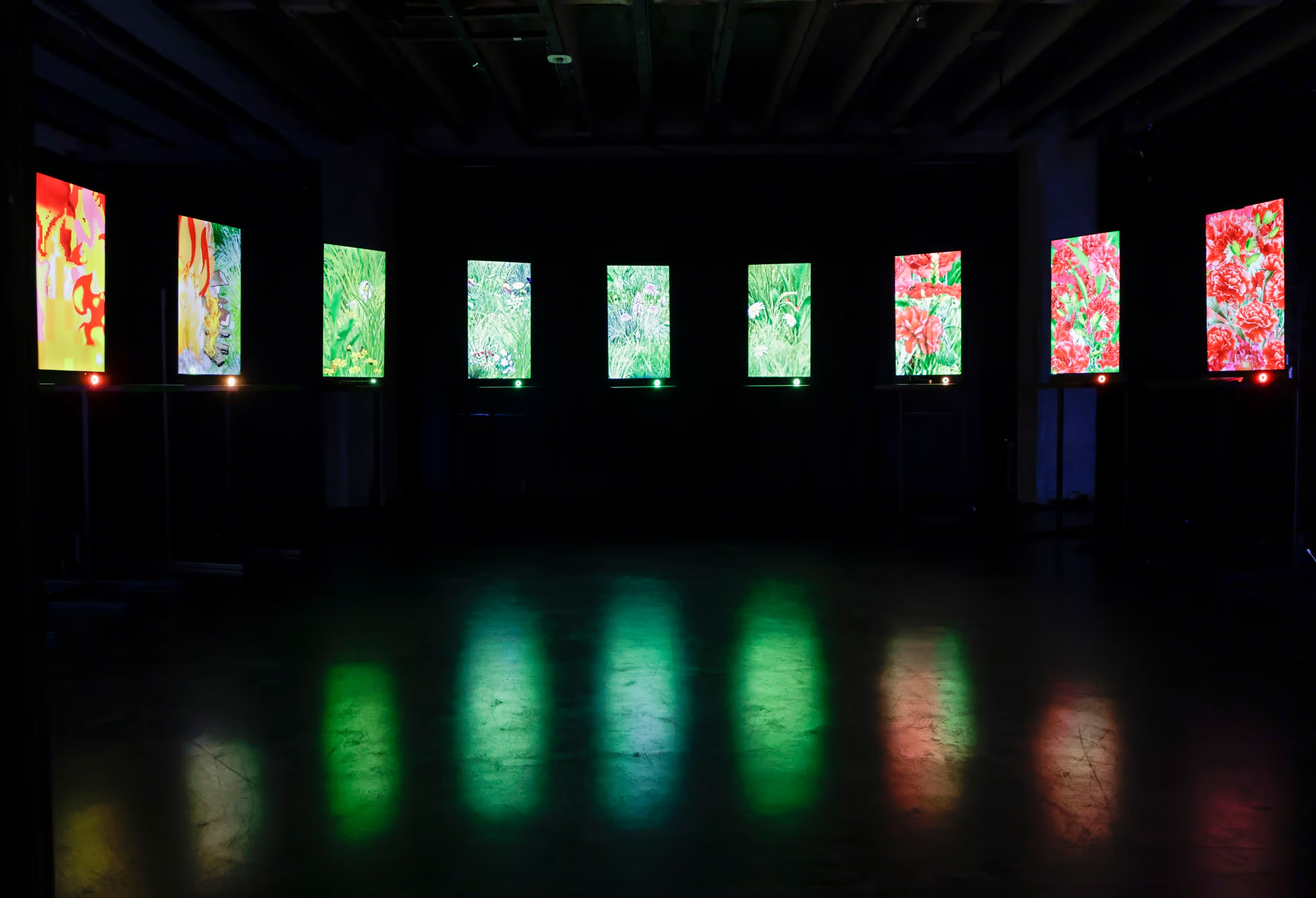
Kres 2.0 ponovno prižiga iskre zgodnjih spletnih skupnosti, lokalnih tradicij in ljudskega izročila ter zgodovine družbenih gibanj. V soju plamenov odsevajo preganjajoči spomini in ostaline preteklosti, eskapistično hrepenenje po preprostejših časih ter megleni spekulativni obrisi prihodnosti, ki opozarjajo na možnost rušenja obstoječih družbenih konstruktov in poudarjajo pomen združevanja in povezovanja.
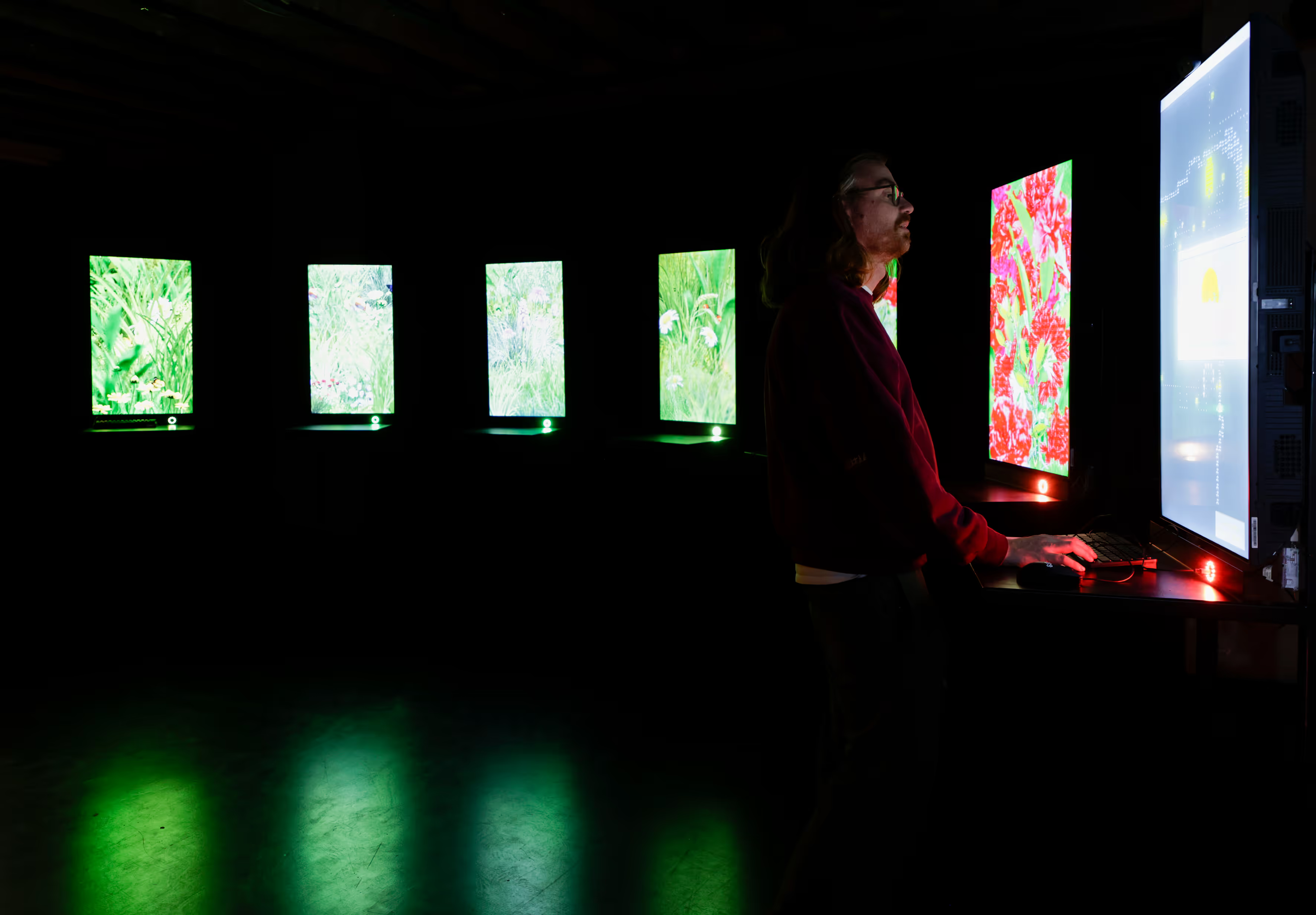
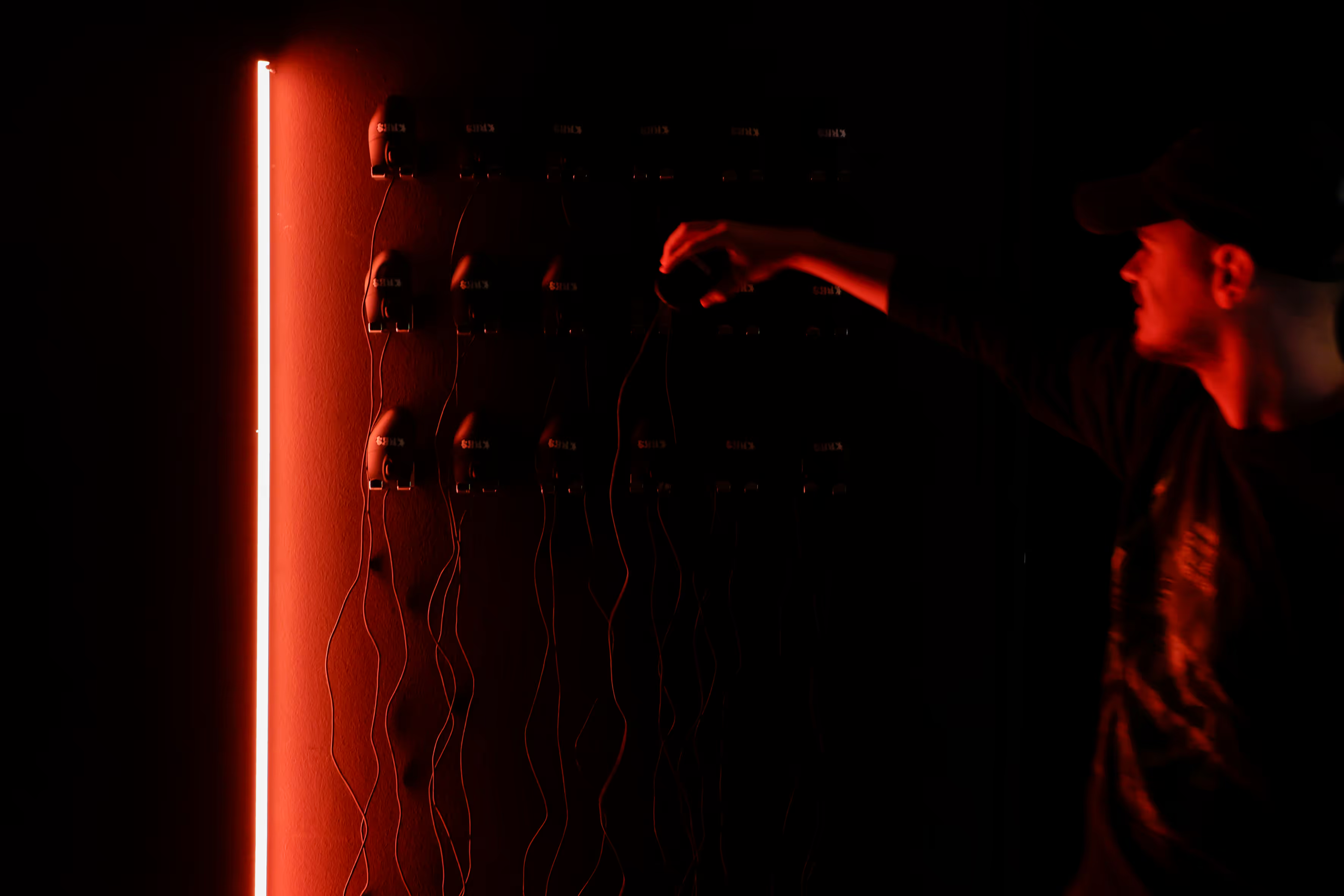
Pridružite se ritualni aktivaciji del, v katerih umetnice_ki opozarjajo na pasti work-hard-play-hard miselnosti, fantazirajo o upokojitvi po kvalitetnem burnoutu, slavijo brezbrižno zabavo, obenem pa nas spodbujajo, da si skupaj zamišljamo svetlejšo prihodnost za vse.
KRES 2.0
The Fiery Spirit of Digital Unity
Has the optimism of the future burned down, while the anxious flashes of capitalism envelop our every second? In the spirit of the tradition of lighting bonfires on the eve of International Workers’ Day, the artists in the exhibition are reclaiming the symbolisms of bygone traditions and reawakening the long-dead ghosts of solidarity, collectivism, and workers’ rights.
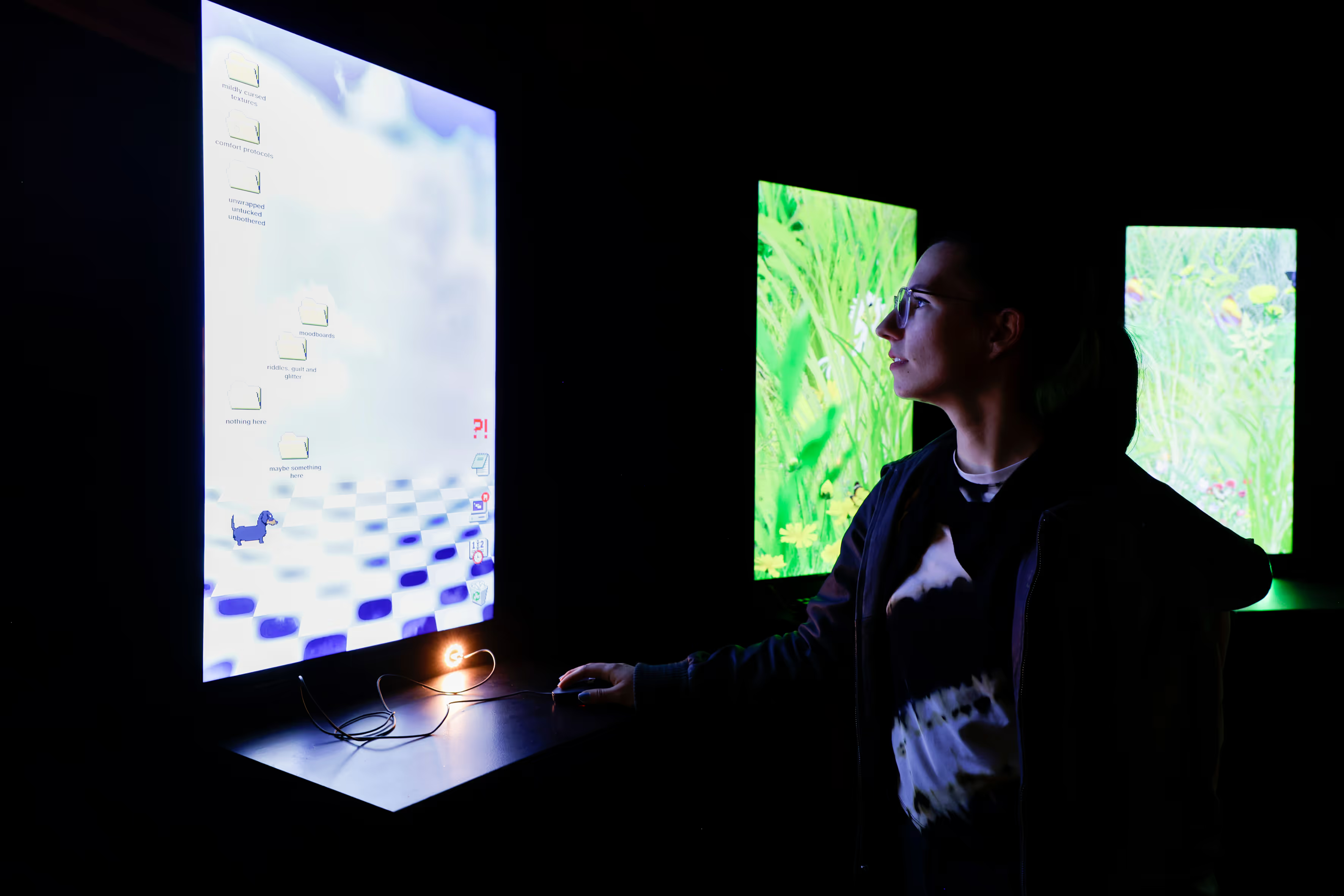
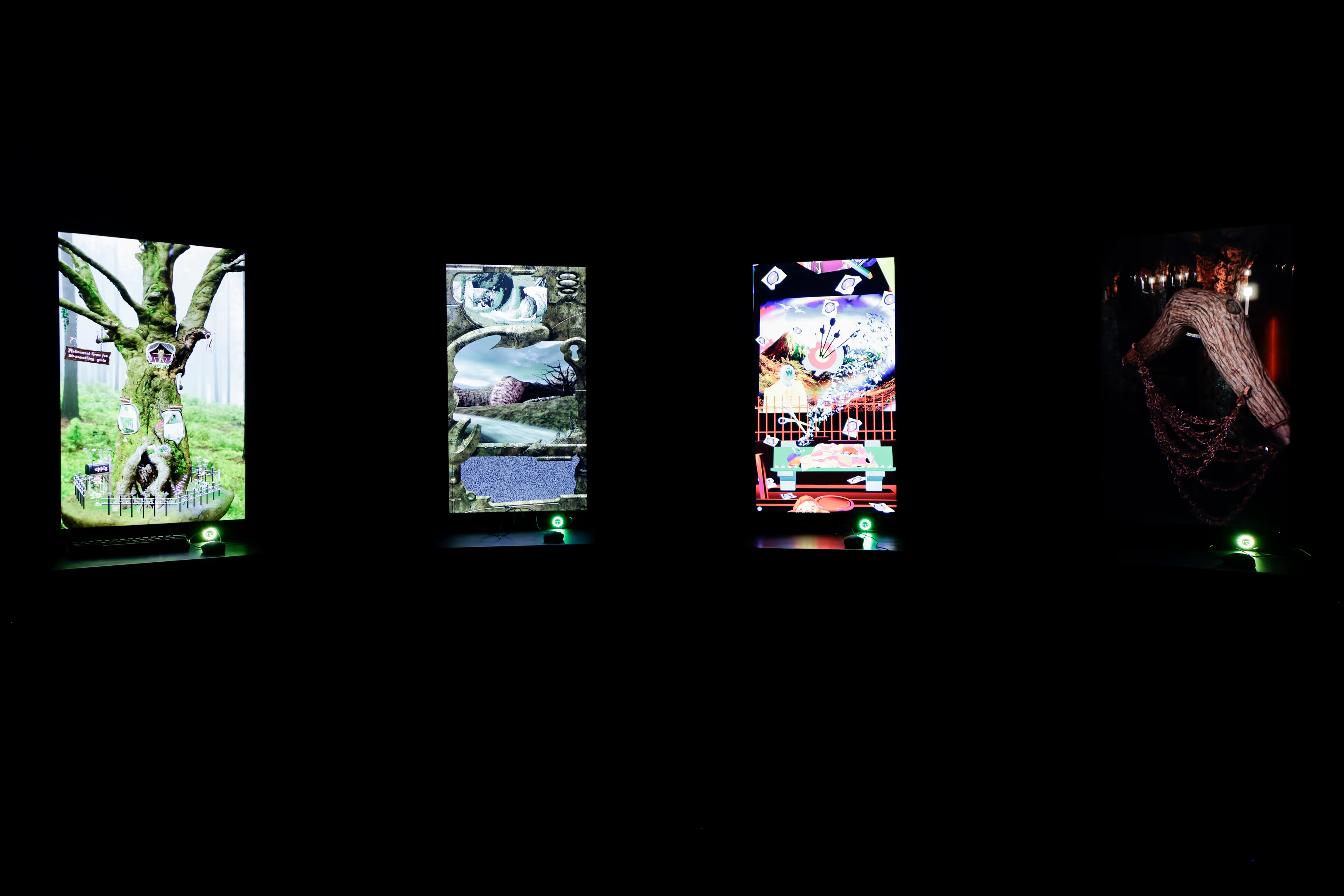
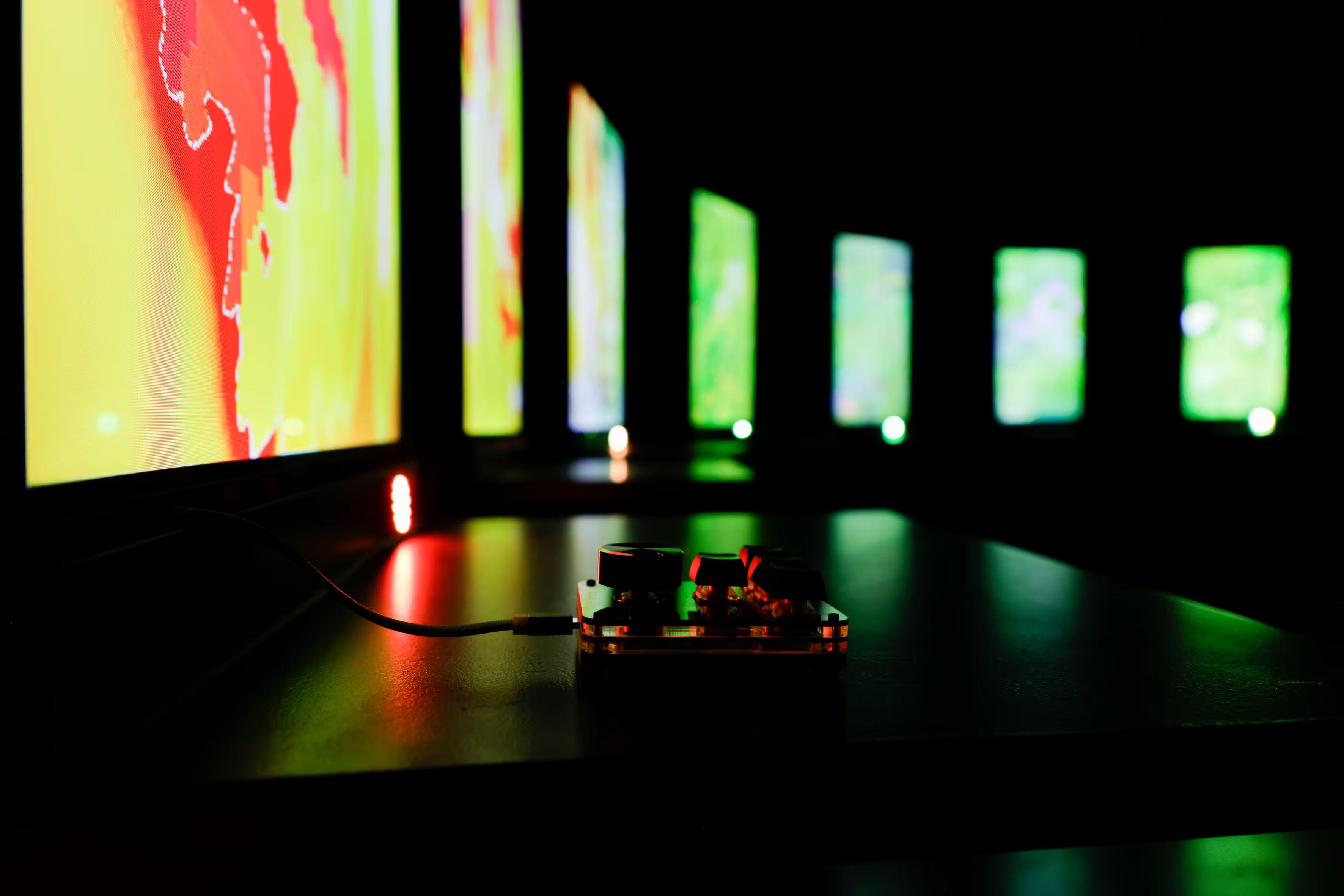
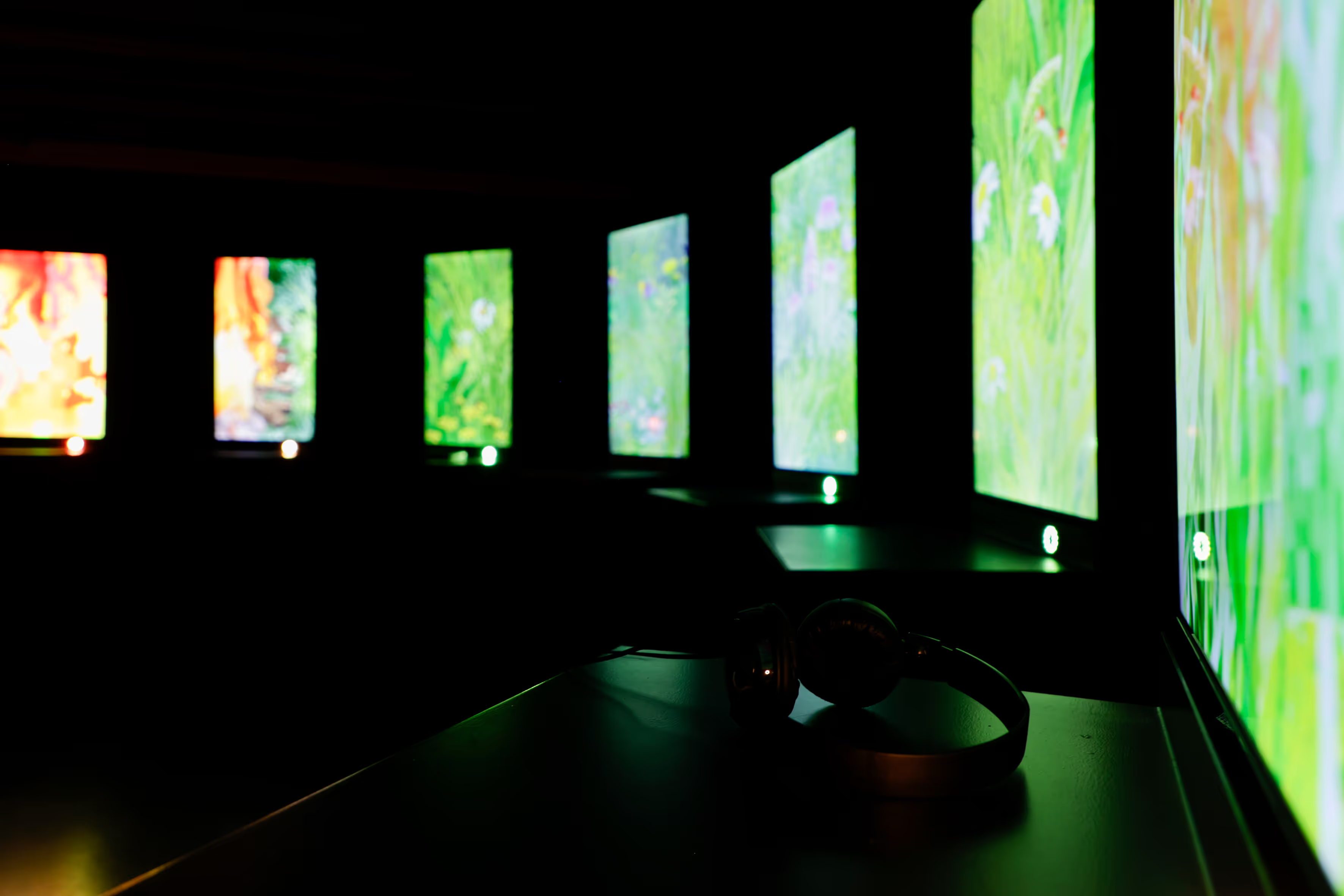
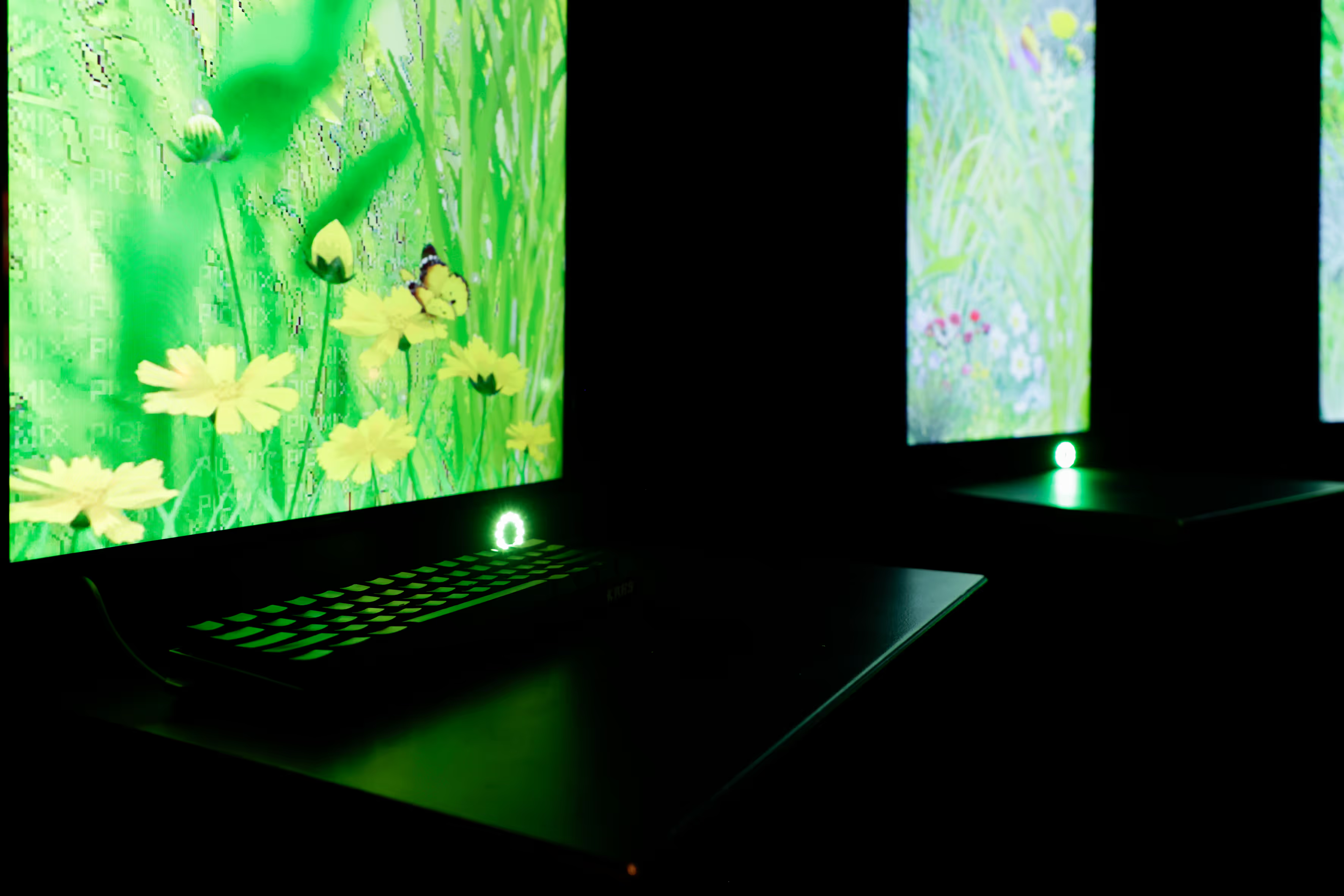
Artists form a united front, questioning their own position in the era of hustle and grindset mentalities, individualism, digital alienation, and economic precarity in the light of current technological developments. Their artistic practices are inextricably linked to the internet and digital media, which have shaped their unique relationship to virtual worlds, speculative methods and community involvement. Through experimental video games, immersive 3D environments and interactive websites, they build fictional worlds and narratives, create visions of collective futures and imagine alternative systems of coexistence.
Kres 2.0 reignites the sparks of early online communities, local and folk traditions, and the history of social movements. The glow of the flames casts shimmering shadows of haunting memories and remnants of the past, an escapist longing for simpler times and hazy speculative outlines of the future, pointing to the possibility of the collapse of existing social constructs and underlining the importance of coming together and connecting.
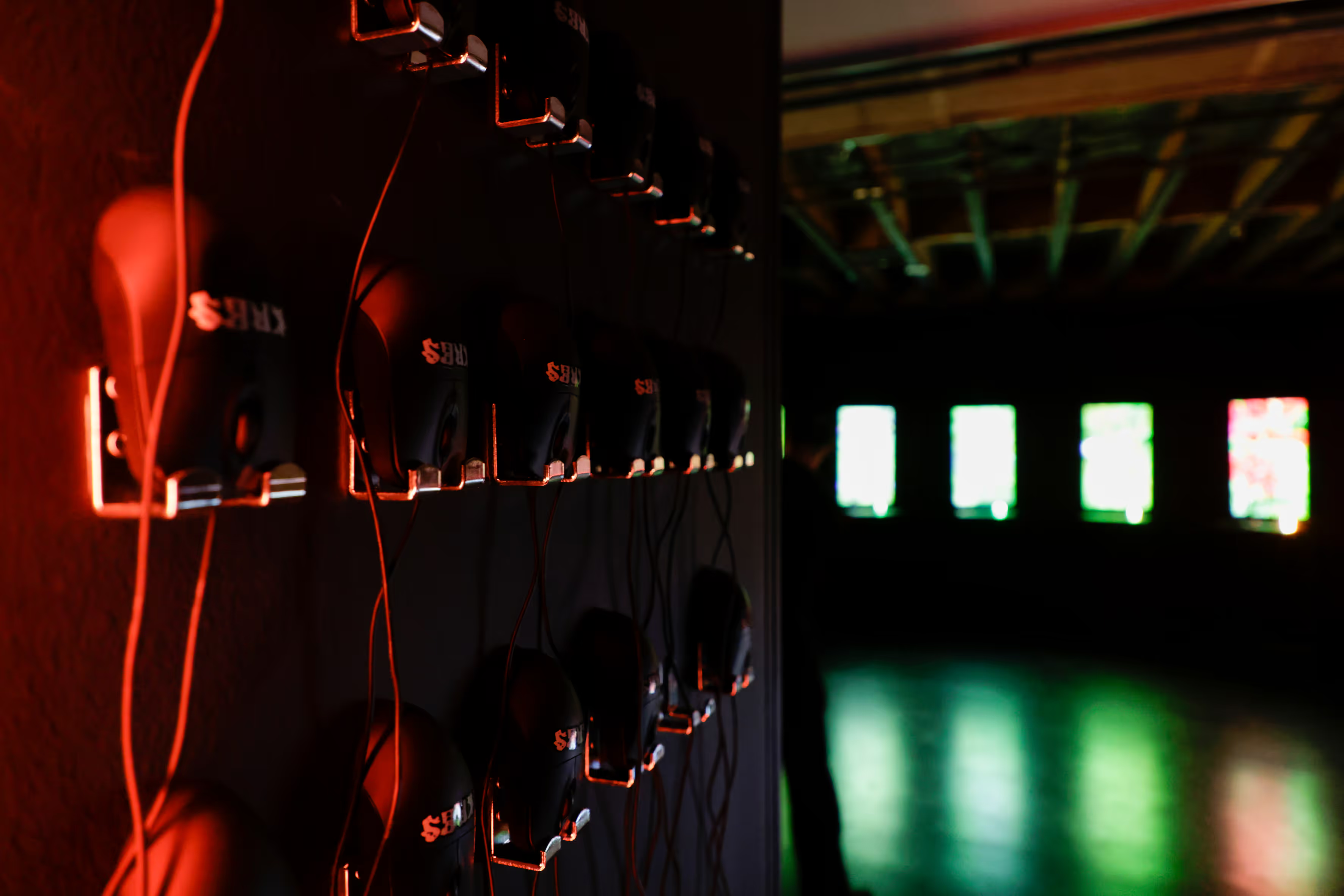
Join the ritualistic activation of the works in which the artists warn us about the traps of work-hard-play-hard mindset, fantasise about retirement after a quality burnout, celebrate having unapologetic fun, while encouraging us to envision a brighter future for all.
KRES 2.0
Der glühende Geist digitaler Kollektivität
Ist der Zukunftsoptimismus bereits erloschen, während das Subjekt im Takt permanent aufblitzender kapitalistischer Intensitäten affektiv vereinnahmt wird? Vor dem Hintergrund der Tradition des Kres-Feuers am Vorabend des Tags der Arbeit reaktiviert die Ausstellung historische Symboliken und mobilisiert die Residuen kollektiver Imaginationen von Solidarität, Kollektivität und Arbeiter:innenrechten.Die versammelten künstlerischen Positionen artikulieren sich als lose Allianz, die ihre eigene Verortung innerhalb spätkapitalistischer Produktionsregime kritisch reflektiert. Im Spannungsfeld von Hustle- und Grindset-Ideologien, individualisierter Selbstoptimierung, digitaler Entfremdung und ökonomischer Prekarität untersuchen sie die Bedingungen gegenwärtiger künstlerischer Praxis unter den Vorzeichen technologischer Beschleunigung.
Zentral ist dabei die Verschränkung von künstlerischer Produktion und digitalen Infrastrukturen. Die Arbeiten entstehen aus einem immanenten Verhältnis zum Internet und zu digitalen Medien, die nicht lediglich als Werkzeuge fungieren, sondern als konstitutive Umgebungen, innerhalb derer sich spezifische epistemische, ästhetische und soziale Relationen ausbilden. In experimentellen Videospielen, immersiven 3D-Umgebungen und interaktiven Webformaten entwickeln die Künstler:innen spekulative Narrative und entwerfen alternative Modelle kollektiver Zukünfte sowie Formen des Zusammenlebens jenseits hegemonialer Strukturen.
Kres 2.0 lässt sich als eine medienarchäologisch informierte Rekonfiguration lesen, die frühe Internetgemeinschaften, lokale Rituale und volkstümliche Überlieferungen mit der Geschichte sozialer Bewegungen verschränkt. Im flackernden Licht des Feuers materialisieren sich dabei sowohl persistente Spuren der Vergangenheit als auch diffuse Projektionen zukünftiger Möglichkeiten. Die Arbeit mit diesen zeitlichen Überlagerungen eröffnet einen Reflexionsraum, in dem bestehende gesellschaftliche Ordnungen als kontingent und transformierbar erscheinen.
Die rituelle Aktivierung der Werke durch das Publikum fungiert als performative Geste der Partizipation, die nicht nur Rezeptionsmodi verschiebt, sondern auch kollektive Handlungsfähigkeit imaginiert. Indem die Arbeiten zugleich die Fallstricke neoliberaler Selbstverwirklichungsnarrative – etwa in Form der „work-hard-play-hard“-Logik oder der Ästhetiken digitaler Selbstoptimierung – sichtbar machen, formulieren sie eine ambivalente Kritik, die zwischen Erschöpfung, Eskapismus und utopischer Imagination oszilliert.
ヽ(*·ᗜ·)ノ💥ヽ(·ᗜ·* )ノ🔥ヽ(*·ᗜ·)ノ💥ヽ(·ᗜ·* )ノ🔥ヽ(*·ᗜ·)ノ💥ヽ(·ᗜ·* )ノ🔥ヽ(*·ᗜ·)ノ💥ヽ(·ᗜ·* )ノ
Kuratorke_ji / Curators: Sara Bezovšek, Lara Mejač, Dorijan Šiško
Produkcija / Production: Zavod Projekt Atol
Zahvala / Thanks to: Zavod Pina / PiNA – Association for Culture and Education, LJUDMILA, Laboratorij za znanost in umetnost / Ljudmila Art and Science Laboratory
Tehnična pomoč / Technical assistance: Jaka Juhant, Valter Udovičić
Podpora / Supported by: Ministrstvo za Kulturo Republike Slovenije / Ministry of Culture of the Republic of Slovenia